

Close menu
Close

Need help choosing the right setup?

Talk to our team about getting a setup and a quote

Success

Thanks for your request!

We'll contact you as soon as possible

Error

Failed to send request

Please try again or email us at contact@cephla.com

28 papers
Topic
Year
Graphical abstract for Foundation cell segmentation models performance on live microscopy and spatial-omics data
bioRxiv2026

Foundation cell segmentation models performance on live microscopy and spatial-omics data

AI / Machine LearningSpatial Omics+1
PreprintRead paper
Graphical abstract for Foundation cell segmentation models performance on live microscopy and spatial-omics data
bioRxiv2026

Foundation cell segmentation models performance on live microscopy and spatial-omics data

Miao, Yang et al.

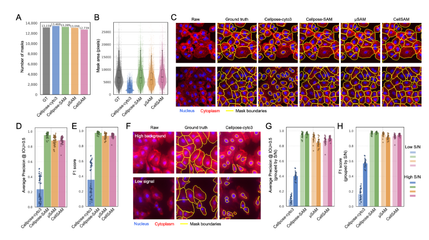
Systematic benchmark of generalist deep-learning segmentation models—Cellpose cyto3, Cellpose-SAM, μSAM, CellSAM, Mesmer, and InstanSeg—across phase contrast, fluorescence cell culture, and multiplexed CODEX tissue imaging. Cellpose-SAM excels on phase contrast and SAM-based models on fluorescence, while no single model dominates on CODEX, with downstream clustering and cell-type identification varying by choice. The work argues for selecting segmentation models based on dataset characteristics and analytical goals rather than a one-size-fits-all approach.

AI / Machine LearningSpatial OmicsCell Biology
PreprintRead paper
Graphical abstract for The one-week automated genome-wide optical pooled screen
bioRxiv2026

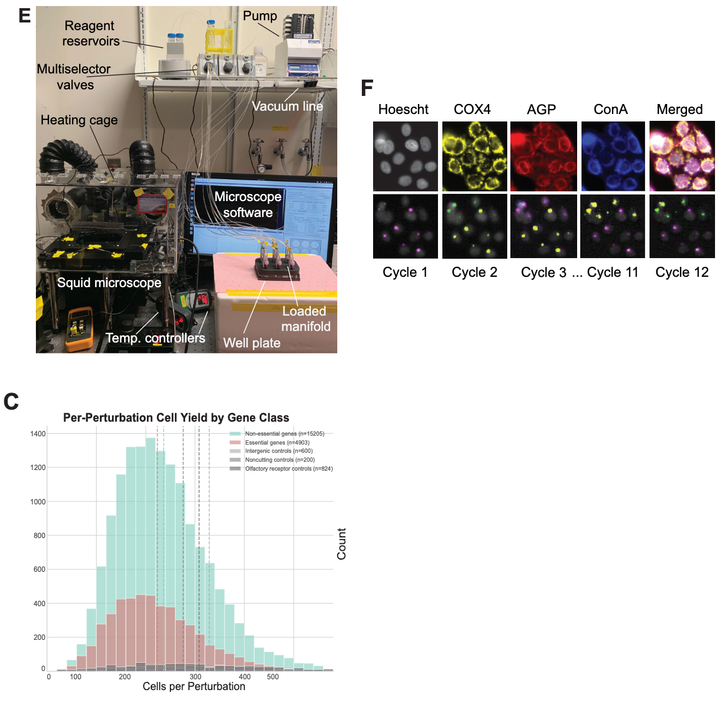
The one-week automated genome-wide optical pooled screen

Spatial OmicsDrug Discovery+1
PreprintRead paper
Graphical abstract for The one-week automated genome-wide optical pooled screen
bioRxiv2026

The one-week automated genome-wide optical pooled screen

Kirby, Bryce et al.

Automated optical pooled screening platform combining the Otto2 fluid handler with the Brieflow analysis pipeline to bypass labor-intensive in situ sequencing. Completed a genome-wide cell painting screen in eight days, profiling 5 million cells across 21,732 gene knockouts and identifying 320 functional gene clusters.

Spatial OmicsDrug DiscoveryCell Biology
PreprintRead paper
Graphical abstract for Octopi 2.0: Open and Scalable Microscopy Platform for AI-powered Diagnostic Applications
medRxiv2025

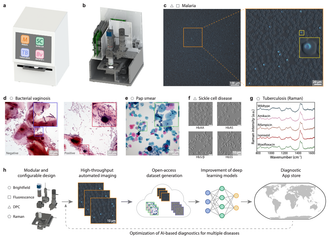
Octopi 2.0: Open and Scalable Microscopy Platform for AI-powered Diagnostic Applications

DiagnosticsAI / Machine Learning+1
PreprintRead paper
Graphical abstract for Octopi 2.0: Open and Scalable Microscopy Platform for AI-powered Diagnostic Applications
medRxiv2025

Octopi 2.0: Open and Scalable Microscopy Platform for AI-powered Diagnostic Applications

Li, Hongquan et al.

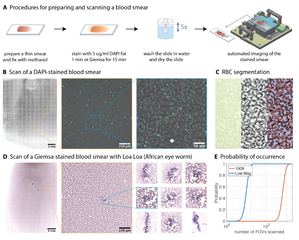
Open, highly configurable automated microscopy platform for broad diagnostic applications including malaria and sickle cell anemia. Battery- and solar-powered with integrated AI, it scans one million blood cells per minute with near-100% specificity—at roughly $1,000 versus $100,000+ for commercial systems.

DiagnosticsAI / Machine LearningInfectious Disease
PreprintRead paper
Graphical abstract for Fluid-Squid: DIY Multiplexed Imaging of Cells and Tissues
bioRxiv2025

Fluid-Squid: DIY Multiplexed Imaging of Cells and Tissues

Spatial OmicsCell Biology
PreprintRead paper
Graphical abstract for Fluid-Squid: DIY Multiplexed Imaging of Cells and Tissues
bioRxiv2025

Fluid-Squid: DIY Multiplexed Imaging of Cells and Tissues

Hickey, John W. et al.

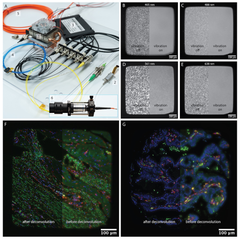
Cost-effective quantitative imaging platform integrating automated fluidics for customizable multiplexed imaging workflows. A barcoding strategy enables pooled staining to reduce time, cost, and batch effects, demonstrated on fresh frozen tissues and single cells.

Spatial OmicsCell Biology
PreprintRead paper
Graphical abstract for Modular, open-sourced multiplexing for democratizing spatial omics
Lab on a Chip2025

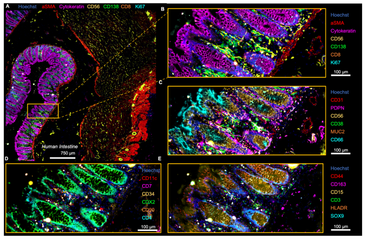
Modular, open-sourced multiplexing for democratizing spatial omics

Spatial OmicsOpen Hardware
PublishedRead paper
Graphical abstract for Modular, open-sourced multiplexing for democratizing spatial omics
Lab on a Chip2025

Modular, open-sourced multiplexing for democratizing spatial omics

Zhang, Nicholas et al.

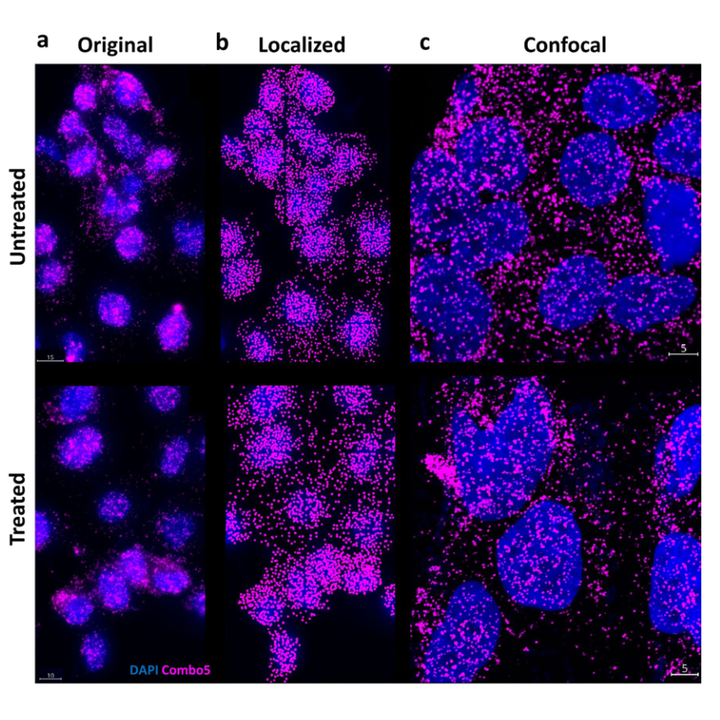
PRISMS is an open-source automated multiplexing pipeline for spatial omics using robotic staining with thermal control and Python-based imaging. It enables rapid high-throughput single-molecule fluorescence imaging on widefield and confocal microscopes at significantly reduced cost.

Spatial OmicsOpen Hardware
PublishedRead paper
Graphical abstract for Microscopy with microfluidics in microgravity using FlightScope
npj Microgravity2025

Microscopy with microfluidics in microgravity using FlightScope

Cell BiologyOpen Hardware
PublishedRead paper
Graphical abstract for Microscopy with microfluidics in microgravity using FlightScope
npj Microgravity2025

Microscopy with microfluidics in microgravity using FlightScope

Wareing, Thomas et al.

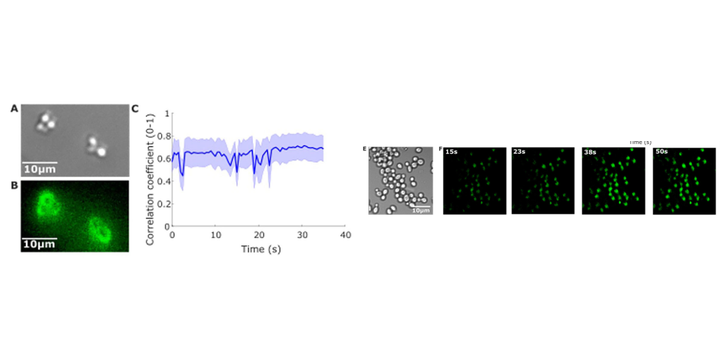
FlightScope enables real-time imaging of cells in microgravity during parabolic flights. Using an open-source microscope design, glucose uptake dynamics in yeast cells showed characteristic times of 0.6±0.2 s in zero gravity versus 1.3±0.3 s on the ground.

Cell BiologyOpen Hardware
PublishedRead paper
Graphical abstract for Integrating Cell Painting and Thermal Proteome Profiling for Inference of Targets and Mechanism of Action
bioRxiv2025

Integrating Cell Painting and Thermal Proteome Profiling for Inference of Targets and Mechanism of Action

Drug DiscoveryCell Biology
PreprintRead paper
Graphical abstract for Integrating Cell Painting and Thermal Proteome Profiling for Inference of Targets and Mechanism of Action
bioRxiv2025

Integrating Cell Painting and Thermal Proteome Profiling for Inference of Targets and Mechanism of Action

Johansson, Camilla et al.

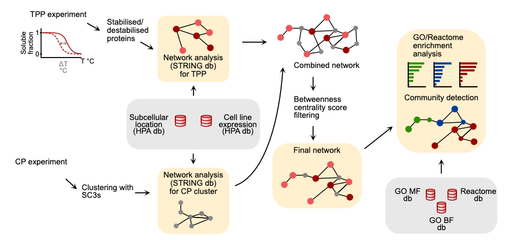
Combining Cell Painting morphological profiling with Thermal Proteome Profiling enables unbiased protein target detection and mechanism-of-action inference. The approach accurately identified known MoA for compounds using rich phenotypic profiles and direct protein target information.

Drug DiscoveryCell Biology
PreprintRead paper
Graphical abstract for Morphological cell profiling for drug repurposing against SARS-CoV-2 infection
bioRxiv2025

Morphological cell profiling for drug repurposing against SARS-CoV-2 infection

Drug DiscoveryInfectious Disease
PreprintRead paper
Graphical abstract for Morphological cell profiling for drug repurposing against SARS-CoV-2 infection
bioRxiv2025

Morphological cell profiling for drug repurposing against SARS-CoV-2 infection

Asp, Elin et al.

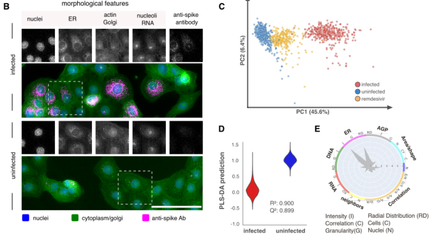
A systematic drug-repurposing strategy combining viral protein immunostaining with high-content Cell Painting analysis assesses both viral replication and host-cell responses. Screening 5,275 repurposable drugs identified compounds that reverse the infected-cell phenotype, including hits missed by conventional assays.

Drug DiscoveryInfectious Disease
PreprintRead paper
Graphical abstract for Ballistic Microscopy (BaM)
bioRxiv2025

Ballistic Microscopy (BaM)

Cell BiologyOpen Hardware
PreprintRead paper
Graphical abstract for Ballistic Microscopy (BaM)
bioRxiv2025

Ballistic Microscopy (BaM)

Jijumon, A.S. et al.

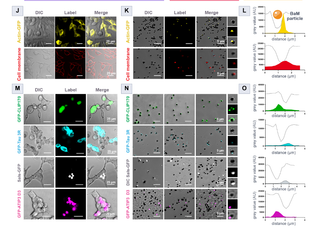
BaM physically sub-samples nanoscale cell regions using high-speed nanoparticles (~1000 m/s) that capture attoliters of cytoplasm on a hydrogel substrate while preserving spatial information. Samples are then analysed by TEM, cryo-EM, mass spectrometry, and DNA amplification.

Cell BiologyOpen Hardware
PreprintRead paper
Graphical abstract for Long-range actin-driven endosymbiont mobility in a deep-diverging bilaterian
bioRxiv2025

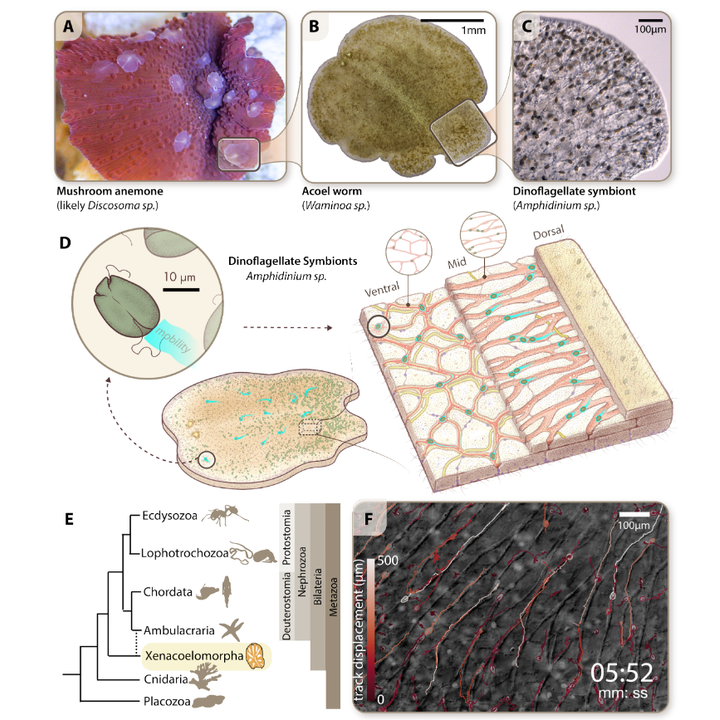
Long-range actin-driven endosymbiont mobility in a deep-diverging bilaterian

Cell BiologyDevelopmental Biology
PreprintRead paper
Graphical abstract for Long-range actin-driven endosymbiont mobility in a deep-diverging bilaterian
bioRxiv2025

Long-range actin-driven endosymbiont mobility in a deep-diverging bilaterian

Zhong, Grace J. et al.

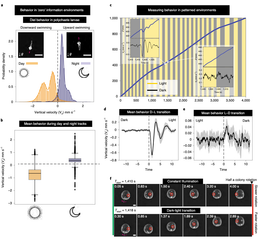
Dinoflagellate symbionts traverse extensive networks of thin host cells at velocities reaching ~1 µm/s via host actin, challenging the assumption of sessile symbionts in animal-microbe symbiosis. This discovery in an acoel worm reveals a novel form of long-range endosymbiont mobility.

Cell BiologyDevelopmental Biology
PreprintRead paper
Graphical abstract for Ice gliding diatoms establish record-low temperature limits for motility in a eukaryotic cell
PNAS2025

Ice gliding diatoms establish record-low temperature limits for motility in a eukaryotic cell

Cell BiologyBiophysics
PublishedRead paper
Graphical abstract for Ice gliding diatoms establish record-low temperature limits for motility in a eukaryotic cell
PNAS2025

Ice gliding diatoms establish record-low temperature limits for motility in a eukaryotic cell

Zhang, Qing et al.

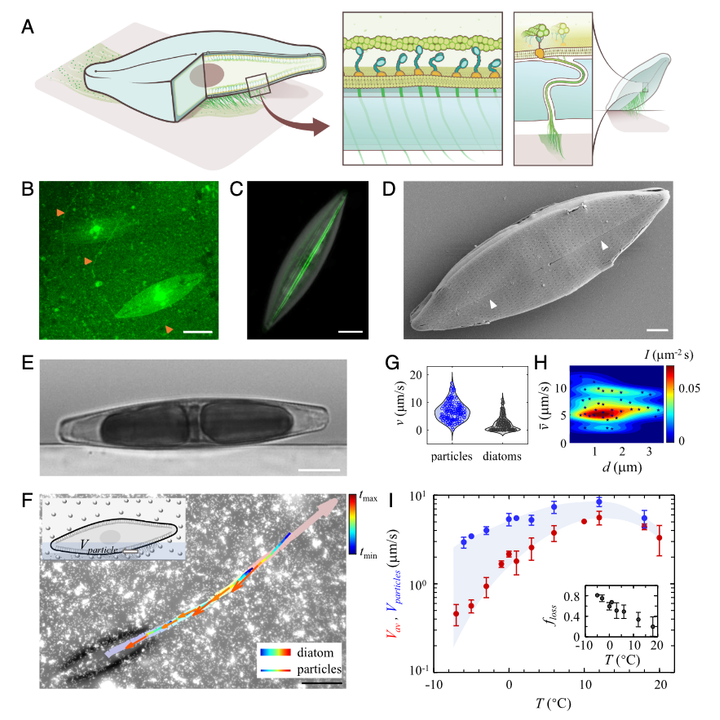
Arctic diatom species retain motility down to −15 °C, moving an order of magnitude faster on ice than temperate diatoms through unique ice-gliding adaptations. The work establishes record-low temperature limits for motility in a eukaryotic cell.

Cell BiologyBiophysics
PublishedRead paper
Graphical abstract for Hidden comet tails of marine snow impede ocean-based carbon sequestration
Science2024

Hidden comet tails of marine snow impede ocean-based carbon sequestration

OceanographyBiophysics
PublishedRead paper
Graphical abstract for Hidden comet tails of marine snow impede ocean-based carbon sequestration
Science2024

Hidden comet tails of marine snow impede ocean-based carbon sequestration

Chajwa, Rahul et al.

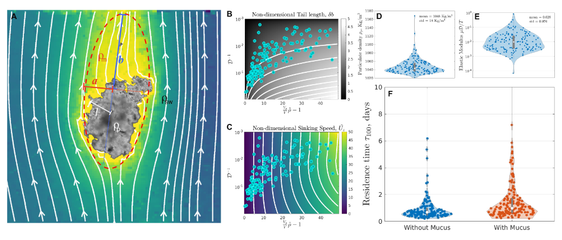
Previously unknown comet-like morphologies arise from fluid-structure interactions of transparent exopolymer halos around marine snow. These invisible mucus 'parachutes' significantly slow sinking rates, increasing particle residence time and challenging estimates of ocean carbon sequestration.

OceanographyBiophysics
PublishedRead paper
Graphical abstract for Inflation-induced motility for long-distance vertical migration
Current Biology2024

Inflation-induced motility for long-distance vertical migration

OceanographyCell Biology+1
PublishedRead paper
Graphical abstract for Inflation-induced motility for long-distance vertical migration
Current Biology2024

Inflation-induced motility for long-distance vertical migration

Larson, Adam G. et al.

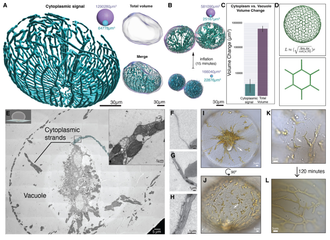
The non-motile dinoflagellate Pyrocystis noctiluca uses rapid cellular inflation to achieve long-distance vertical migration: a single cell expands 6-fold in under 10 minutes by selectively importing less-dense fluid, reversing sedimentation and enabling vertical travel of up to 200 meters.

OceanographyCell BiologyBiophysics
PublishedRead paper
Graphical abstract for Rapid, antibiotic incubation-free determination of tuberculosis drug resistance using machine learning and Raman spectroscopy
PNAS2024

Rapid, antibiotic incubation-free determination of tuberculosis drug resistance using machine learning and Raman spectroscopy

DiagnosticsAI / Machine Learning+1
PublishedRead paper
Graphical abstract for Rapid, antibiotic incubation-free determination of tuberculosis drug resistance using machine learning and Raman spectroscopy
PNAS2024

Rapid, antibiotic incubation-free determination of tuberculosis drug resistance using machine learning and Raman spectroscopy

Ogunlade, Babatunde et al.

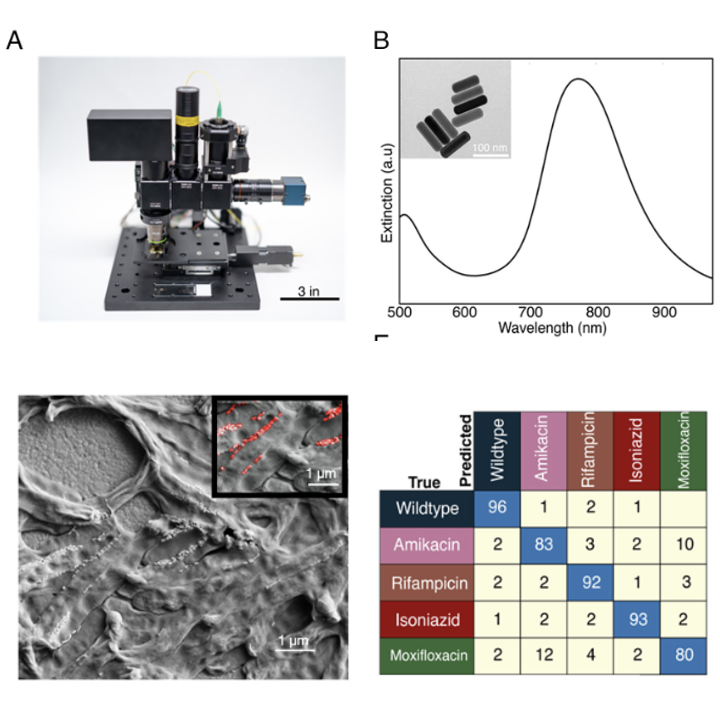
A culture-free antibiotic susceptibility test for tuberculosis combines Raman spectroscopy with machine learning, achieving 98% classification accuracy across BCG strains and ~79% in patient sputum samples using a portable SERS setup costing under $5,000.

DiagnosticsAI / Machine LearningInfectious Disease
PublishedRead paper
Graphical abstract for Morphology-based classification of sickle cell disease and β-thalassemia using a low-cost automated microscope and machine learning
medRxiv2024

Morphology-based classification of sickle cell disease and β-thalassemia using a low-cost automated microscope and machine learning

DiagnosticsAI / Machine Learning
PreprintRead paper
Graphical abstract for Morphology-based classification of sickle cell disease and β-thalassemia using a low-cost automated microscope and machine learning
medRxiv2024

Morphology-based classification of sickle cell disease and β-thalassemia using a low-cost automated microscope and machine learning

Shrestha, Pranav et al.

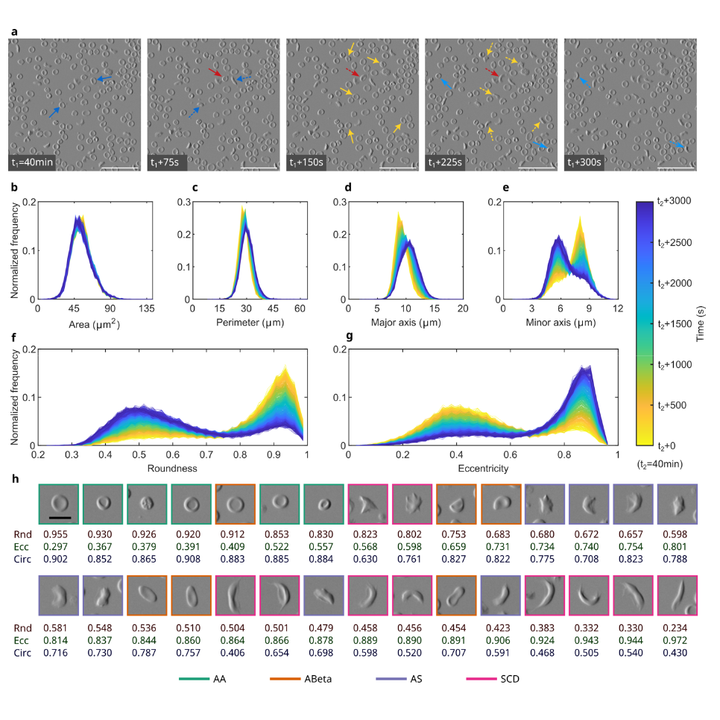
Morphology-based machine learning on a low-cost automated microscope distinguishes sickle cell disease from trait conditions and β-thalassemia. An open-access dataset of 300,000+ images with 1.5 trillion segmented cells achieves >97% sensitivity and >98% specificity for severe disease detection.

DiagnosticsAI / Machine Learning
PreprintRead paper
Graphical abstract for A genetic and microscopy toolkit for manipulating and monitoring regeneration in Macrostomum lignano
Cell Reports2024

A genetic and microscopy toolkit for manipulating and monitoring regeneration in Macrostomum lignano

Developmental BiologyCell Biology
PublishedRead paper
Graphical abstract for A genetic and microscopy toolkit for manipulating and monitoring regeneration in Macrostomum lignano
Cell Reports2024

A genetic and microscopy toolkit for manipulating and monitoring regeneration in Macrostomum lignano

Hall, R. Nelson et al.

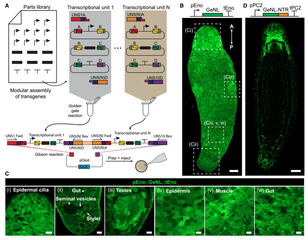
A comprehensive toolkit for live imaging of tissue regeneration in flatworms includes a high-throughput cloning pipeline, targeted cellular ablation, and custom luminescence/fluorescence microscopy. Genetic ablation experiments reveal limited neuronal regeneration and an essential role for neurons during wound healing.

Developmental BiologyCell Biology
PublishedRead paper
Graphical abstract for Graph-based spatial proximity of super-resolved protein–protein interactions predicts cancer drug responses in single cells
Cellular and Molecular Bioengineering2024

Graph-based spatial proximity of super-resolved protein–protein interactions predicts cancer drug responses in single cells

Drug DiscoveryAI / Machine Learning+1
PublishedRead paper
Graphical abstract for Graph-based spatial proximity of super-resolved protein–protein interactions predicts cancer drug responses in single cells
Cellular and Molecular Bioengineering2024

Graph-based spatial proximity of super-resolved protein–protein interactions predicts cancer drug responses in single cells

Zhang, Nicholas et al.

GSR-PPI uses deep learning to spatially resolve single-cell protein–protein interaction networks at super-resolution and applies graph analysis to predict cancer drug responses. Higher-resolution imaging yields enhanced biological insights into single-cell signalling.

Drug DiscoveryAI / Machine LearningCell Biology
PublishedRead paper
Graphical abstract for Split Luciferase Molecular Tension Sensors for Bioluminescent Readout of Mechanical Forces in Biological Systems
ACS Sensors2024

Split Luciferase Molecular Tension Sensors for Bioluminescent Readout of Mechanical Forces in Biological Systems

Cell BiologyBiophysics
PublishedRead paper
Graphical abstract for Split Luciferase Molecular Tension Sensors for Bioluminescent Readout of Mechanical Forces in Biological Systems
ACS Sensors2024

Split Luciferase Molecular Tension Sensors for Bioluminescent Readout of Mechanical Forces in Biological Systems

Zhong, Brian L. et al.

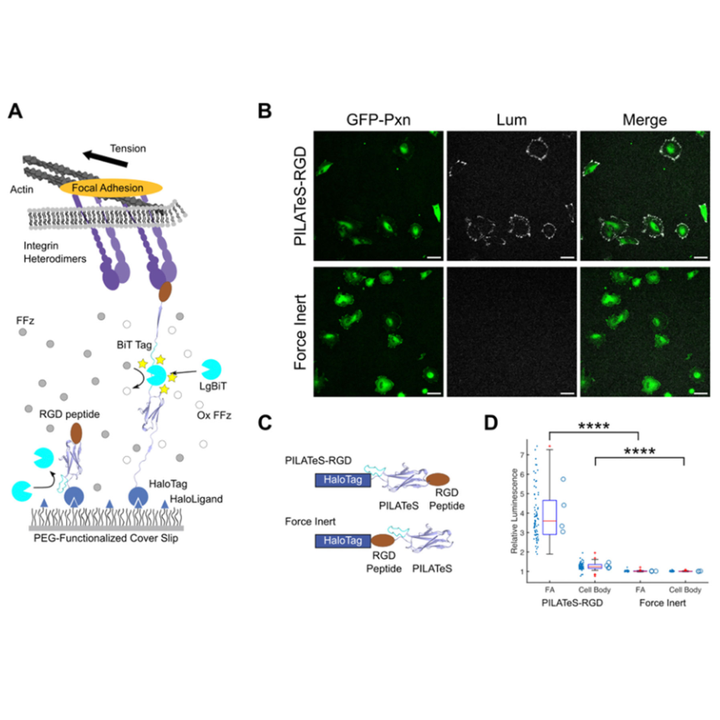
PILATeS is a compact genetically encoded force sensor using split NanoLuc luciferase that generates a bioluminescent signal in response to mechanical tension. Mechanical load exposes a recognition tag that recruits the complementary fragment, enabling force-dependent bioluminescence at integrin–ECM and vinculin interfaces.

Cell BiologyBiophysics
PublishedRead paper
Graphical abstract for Algorithmic construction of topologically complex biomineral lattices via cellular syncytia
bioRxiv2024

Algorithmic construction of topologically complex biomineral lattices via cellular syncytia

Developmental BiologyCell Biology+1
PreprintRead paper
Graphical abstract for Algorithmic construction of topologically complex biomineral lattices via cellular syncytia
bioRxiv2024

Algorithmic construction of topologically complex biomineral lattices via cellular syncytia

Vyas, Pranav et al.

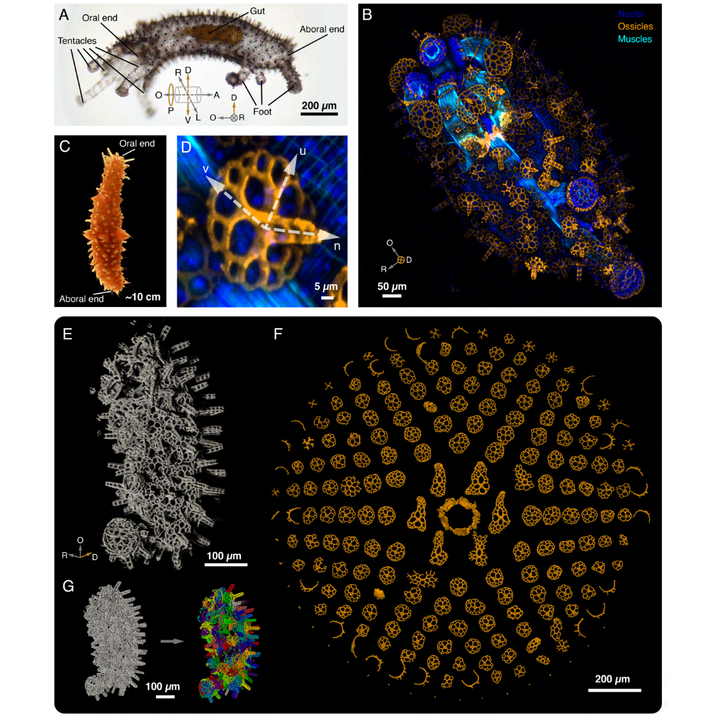
In sea cucumbers, transport processes within cellular syncytia provide top-down control of calcite ossicle geometry through symmetry breaking and branching. Live imaging reveals multi-cellular coordination building mineral structures of ~100 µm within a membrane-bound cytoplasmic sheath.

Developmental BiologyCell BiologyBiophysics
PreprintRead paper
Graphical abstract for Creased ciliary flocks shape unfolding dynamics via information bottlenecks in an aneural animal
bioRxiv2024

Creased ciliary flocks shape unfolding dynamics via information bottlenecks in an aneural animal

Cell BiologySensory Biology+1
PreprintRead paper
Graphical abstract for Creased ciliary flocks shape unfolding dynamics via information bottlenecks in an aneural animal
bioRxiv2024

Creased ciliary flocks shape unfolding dynamics via information bottlenecks in an aneural animal

Brannon, Charlotte M et al.

Non-canonical cilia-driven thin-sheet folding in Trichoplax adhaerens, an aneural animal, creates crease defects that act as information bottlenecks to break collective ciliary behaviour. This enables disjointed locomotion through a coupled feedback mechanism for fold removal.

Cell BiologySensory BiologyBiophysics
PreprintRead paper
Graphical abstract for Discovery of a novel inhibitor of macropinocytosis with antiviral activity
Molecular Therapy2024

Discovery of a novel inhibitor of macropinocytosis with antiviral activity

Drug DiscoveryInfectious Disease
PublishedRead paper
Graphical abstract for Discovery of a novel inhibitor of macropinocytosis with antiviral activity
Molecular Therapy2024

Discovery of a novel inhibitor of macropinocytosis with antiviral activity

Porebski, Bartlomiej et al.

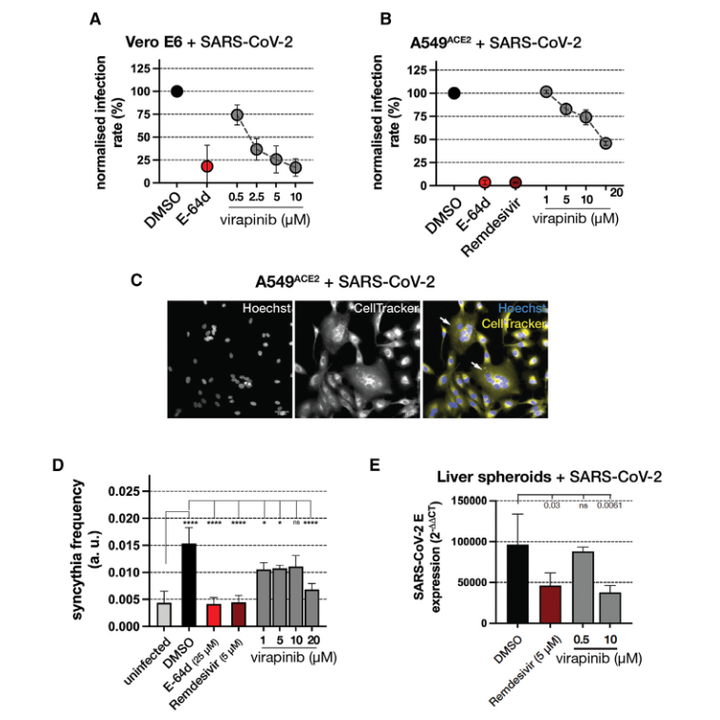
Virapinib, discovered via high-throughput microscopy chemical screening, is a macropinocytosis inhibitor with broad-spectrum antiviral activity against SARS-CoV-2, mpox, and TBEV. The compound limits viral entry by blocking macropinocytosis without significant host-cell toxicity.

Drug DiscoveryInfectious Disease
PublishedRead paper
Graphical abstract for Culture-Independent Multiplexed Detection of Drug-Resistant Bacteria Using Surface-Enhanced Raman Scattering
ACS Sensors2023

Culture-Independent Multiplexed Detection of Drug-Resistant Bacteria Using Surface-Enhanced Raman Scattering

DiagnosticsMicrobiology+1
PublishedRead paper
Graphical abstract for Culture-Independent Multiplexed Detection of Drug-Resistant Bacteria Using Surface-Enhanced Raman Scattering
ACS Sensors2023

Culture-Independent Multiplexed Detection of Drug-Resistant Bacteria Using Surface-Enhanced Raman Scattering

Dai, Tingting et al.

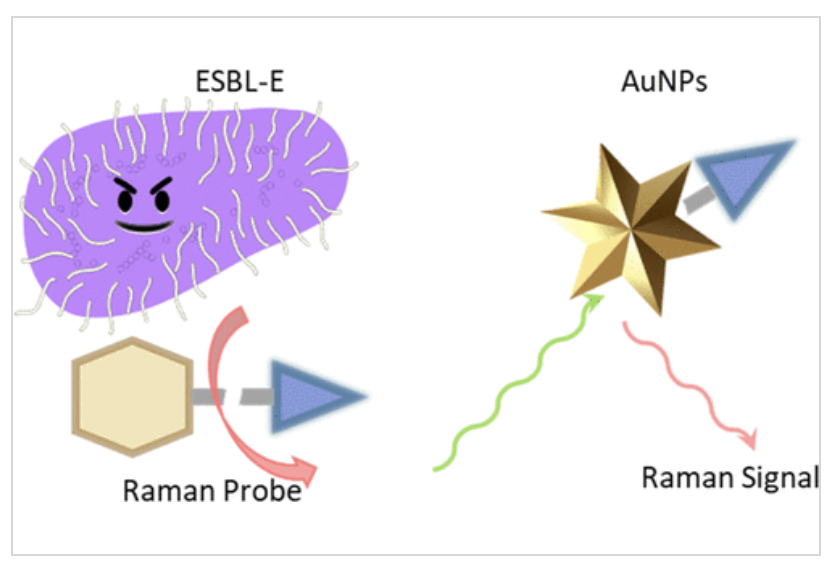
SERS probes release Raman-active molecules in the presence of β-lactamase enzymes, enabling rapid culture-free multiplexed detection of drug-resistant bacteria. Duplex detection of broad-spectrum and ESBL-expressing bacteria achieves a detection limit of 10³ cfu/mL within 1.5 hours.

DiagnosticsMicrobiologyInfectious Disease
PublishedRead paper
Graphical abstract for Inkwell: Design and validation of a low-cost open electricity-free 3D printed device for automated thin smearing of whole blood
arXiv2023

Inkwell: Design and validation of a low-cost open electricity-free 3D printed device for automated thin smearing of whole blood

DiagnosticsOpen Hardware
PreprintRead paper
Graphical abstract for Inkwell: Design and validation of a low-cost open electricity-free 3D printed device for automated thin smearing of whole blood
arXiv2023

Inkwell: Design and validation of a low-cost open electricity-free 3D printed device for automated thin smearing of whole blood

Nowak, Jerome et al.

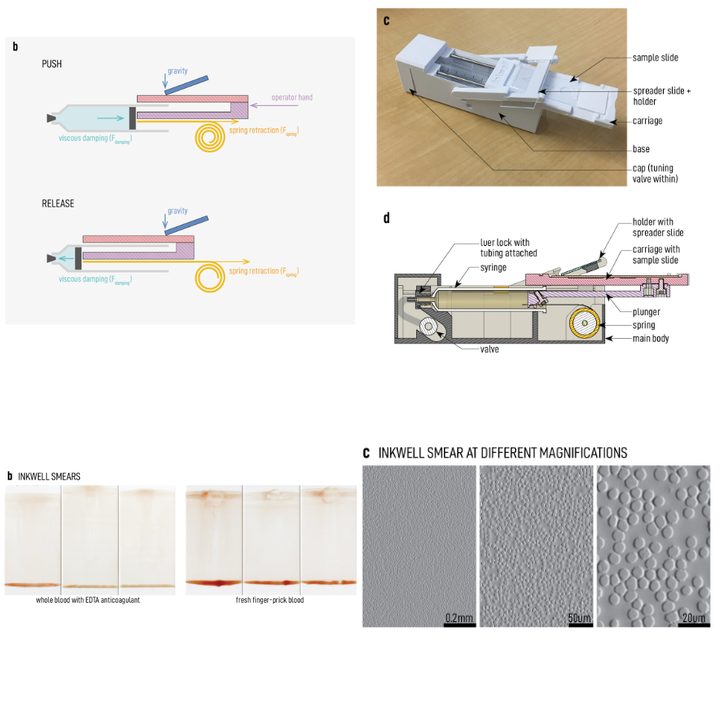
Inkwell is a portable, electricity-free mechanical device for producing high-quality thin blood smears in field settings. A spiral spring coupled to an air dashpot delivers constant-velocity smears at a prescribed angle; the 3D-printed design costs under $5 and operates reliably over 10,000 cycles.

DiagnosticsOpen Hardware
PreprintRead paper
Graphical abstract for Thermotaxis in an apolar, non-neuronal animal
Journal of the Royal Society Interface2023

Thermotaxis in an apolar, non-neuronal animal

Sensory BiologyCell Biology
PublishedRead paper
Graphical abstract for Thermotaxis in an apolar, non-neuronal animal
Journal of the Royal Society Interface2023

Thermotaxis in an apolar, non-neuronal animal

Zhong, Grace et al.

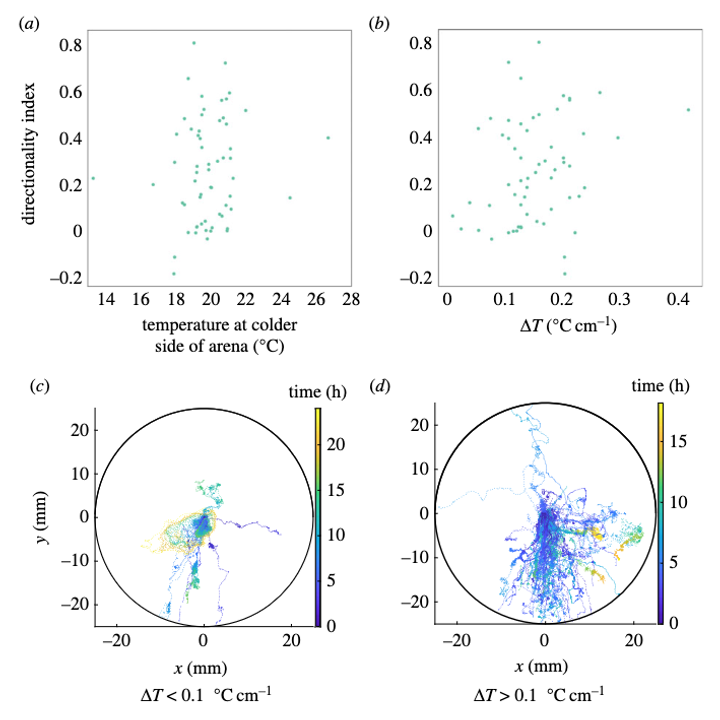
Trichoplax adhaerens, an aneural animal lacking anterior-posterior symmetry, displays robust positive thermotaxis in response to gradients as small as 0.1°C/cm. Sensitivity is sustained over hours and is modulated by TRPM3 antagonists, revealing temperature sensing without a nervous system.

Sensory BiologyCell Biology
PublishedRead paper
Graphical abstract for MultiSero: An Open-Source Multiplex-ELISA Platform for Measuring Antibody Responses to Infection
Pathogens2023

MultiSero: An Open-Source Multiplex-ELISA Platform for Measuring Antibody Responses to Infection

DiagnosticsInfectious Disease+1
PublishedRead paper
Graphical abstract for MultiSero: An Open-Source Multiplex-ELISA Platform for Measuring Antibody Responses to Infection
Pathogens2023

MultiSero: An Open-Source Multiplex-ELISA Platform for Measuring Antibody Responses to Infection

Byrum, Janie R. et al.

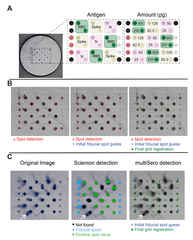
MultiSero is an open-source multiplex ELISA platform supporting up to 48 antigens in a 96-well format with automated imaging and an optical density analysis pipeline. Validation against SARS-CoV-2 antigens achieves 97.8% sensitivity and specificity.

DiagnosticsInfectious DiseaseOpen Hardware
PublishedRead paper
Graphical abstract for Scale-free vertical tracking microscopy
Nature Methods2020

Scale-free vertical tracking microscopy

Open HardwareOceanography+1
PublishedRead paper
Graphical abstract for Scale-free vertical tracking microscopy
Nature Methods2020

Scale-free vertical tracking microscopy

Krishnamurthy, Deepak et al.

A hydrodynamic treadmill allows a tracking microscope to follow freely swimming cells and organisms across unlimited vertical range without mechanical stage limits. The system enables multiscale behavioural datasets of planktonic organisms and supports virtual-reality experiments where cellular behaviour controls environmental parameters.

Open HardwareOceanographyCell Biology
PublishedRead paper
Graphical abstract for Squid: simplifying quantitative imaging platform development and deployment
bioRxiv2020

Squid: simplifying quantitative imaging platform development and deployment

Open HardwareCell Biology
PreprintRead paper
Graphical abstract for Squid: simplifying quantitative imaging platform development and deployment
bioRxiv2020

Squid: simplifying quantitative imaging platform development and deployment

Li, Hongquan et al.

Squid is an open, modular quantitative imaging platform with hardware and software configurations for widefield microscopy supporting flat-field fluorescence excitation, patterned illumination, and tracking. It substantially lowers the barriers to developing and programming custom imaging experiments.

Open HardwareCell Biology
PreprintRead paper
Graphical abstract for Octopi: Open configurable high-throughput imaging platform for infectious disease diagnosis in the field
bioRxiv2019

Octopi: Open configurable high-throughput imaging platform for infectious disease diagnosis in the field

DiagnosticsAI / Machine Learning+2
PreprintRead paper
Graphical abstract for Octopi: Open configurable high-throughput imaging platform for infectious disease diagnosis in the field
bioRxiv2019

Octopi: Open configurable high-throughput imaging platform for infectious disease diagnosis in the field

Li, Hongquan et al.

Octopi is a low-cost ($250–$500) reconfigurable autonomous microscopy platform for automated slide scanning and correlated brightfield/fluorescence imaging. Combined with computer vision and machine learning, it screens over 1.5 million RBCs per minute for malaria parasitemia quantification with >90% sensitivity and specificity.

DiagnosticsAI / Machine LearningInfectious DiseaseOpen Hardware
PreprintRead paper